What makes a solo Rust player a real menace on a high-pop server?
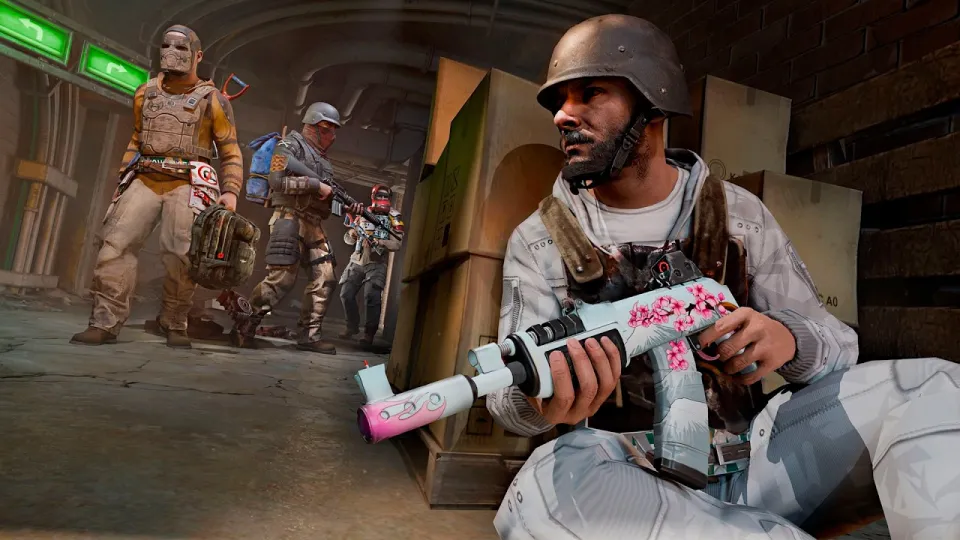
Video: THE SOLO MENACE – Rust
You can order the same kind of articles for your own video to boost it on YouTube and Google. Just message the Telegram bot @sat_sit_bot. Articles with your video embedded are written and posted by the bot itself — on popular topical sites (no ads). Free trial — 50 articles.
· based on the channel SPiiCY
Solo Rust is the practice of running the full wipe cycle alone: farming, building, progressing through the tech tree, raiding and defending against groups that outnumber you. A solo player becomes a "menace" not by winning every fight but by making every fight expensive for the other side — layered bases, revenge raids and constant pressure on bigger teams. SPiiCY's solo run shows exactly that loop, and you can grab the RustEasy bonus via SPiiCY's link before reading how the pieces fit together.
What solo Rust actually demands from a player
Solo Rust is a time-management game disguised as a survival shooter. Without a clan, every scrap, node and component has to be earned by one person, so the difference between a good solo wipe and a dead one is how efficiently you convert farm into security.
The core loop looks like this:
- Secure a starter base within the first hour — usually a 1x1 or 2x1 with an airlock, a furnace and a sleeping bag.
- Push the workbench tree in order (Workbench 1, then 2, then 3) so you unlock weapons and armour before neighbours do.
- Farm scrap through monuments and recycling rather than open-field PvP you cannot win.
- Convert surplus into raid tools — explosives, rockets, satchels — so you can hit back.
- Keep a second stash or a hidden backup base so one raid does not end your wipe.
Solo players also have to accept a different risk profile. A group can lose three kits and keep going; a solo loses one kit and loses an hour. That is why experienced solo players pick fights near their own base, keep spawn points close, and treat every roam as a scouting trip first and a PvP trip second.
How a solo player turns into the server's menace
The menace reputation comes from reciprocity: a solo who always raids back is a worse target than a solo who quietly rebuilds. In practice this means tracking who broke into your base, storing their name, and returning the favour once you have the explosives.
Revenge raiding works because most groups assume a solo will not retaliate. A few concrete habits make it reliable:
- Note the exact location of the raiders' base and the side they entered from; the weakest wall is usually the one they blew.
- Rebuild fast and cheap — a stone or sheet-metal shell is enough to store a raid stash while you craft.
- Time the counter-raid for low-pop hours, when half the group is offline.
- Use satchels early, rockets later; a solo cannot afford to waste explosives on doors that could be picked or shot out.
On high-population servers this pressure matters even more. With populations around 600 players, quiet roaming is rare, so the solo who hits first and hits accurately is remembered — and left alone more often than the one who only defends.
Base design for a solo on a crowded server
Solo base design is about forcing attackers to spend more than the loot is worth. A compact footprint with multiple layers, a protected tool cupboard and a misleading entrance does more for a solo than any amount of gear.
Key principles that show up in strong solo builds:
- Airlocks everywhere: at least two doors between the outside and your loot room, so a raider needs extra explosives for every step.
- Fake entrances and trap corridors: shotgun traps and flame turrets behind a door that looks like the main path.
- Separated loot: split valuables across two or three small rooms so a single breach does not empty the base.
- Low-profile placement: building against a cliff or in a forest beats a landmark base that every passing duo investigates.
- Upkeep discipline: a solo cannot maintain a mansion; keep the base small enough that daily upkeep never threatens the wipe.
The base in SPiiCY's solo run drew the most questions from viewers, which is unsurprising — base layout is the single biggest force multiplier a solo player controls, and full build tutorials for those designs sit behind the creator's membership.
Fighting zergs and clans as a lone player
Fighting a zerg as a solo is a positioning problem, not a damage problem. Groups win by stacking numbers in one spot, so a solo wins by never being in that spot when it forms.
Practical rules for solo versus group combat:
- Fight in terrain that breaks line of sight — rocks, trees, cliffs, building corners.
- Never hold a static angle for more than a few seconds; groups flank by default.
- Carry healing and use it early; a solo has no teammate to revive or cover a retreat.
- Disengage when the fight becomes a 1v3 in open ground and reset from a different angle.
- Use sound — footsteps and gunfire tell you where the group is split, and split groups are beatable.
Recoil control still decides most mid-range duels, and the recoil changes Rust introduced over the past few years made spray patterns more learnable for solo players who cannot rely on volume of fire. Practising one primary weapon until the pattern is muscle memory beats owning five guns you spray badly.
What viewers keep asking about solo play
Questions from the audience around solo content tend to repeat, and they point at real friction for anyone trying the playstyle. The most common themes:
- Server choice. High-pop official servers give constant action but brutal competition; low-pop or modded servers are easier to progress on but teach bad habits about safety.
- Time commitment. A solo wipe needs a long first session to establish a base; players who can only play two hours a night should expect a slower tech-tree climb.
- Base tutorials. Requests for full build guides are constant, and creators usually answer them with dedicated tutorial content rather than in-comment explanations.
- Performance. Frame rate matters more for solo players, because a stutter in a 1v2 usually ends the wipe's momentum — which is why FPS tools and settings get recommended so often.
- Gear fear. Many players ask how to stop hoarding; the answer is always the same — gear left in a box is gear the raider takes.
Tools and links from the solo run
Everything referenced around the solo gameplay, in one place:
- RustEasy bonus and site: https://rseasy.com/spiicy
- Base design tutorials and membership: https://www.patreon.com/c/spiicyrust/membership
- Additional Patreon join link: https://www.patreon.com/join/spiicyrust
- Hypertune FPS tool: https://hptn.gg/spiicy
- Community Discord: http://discord.gg/HZjW3RYMGA
The bottom line on solo Rust
Solo Rust rewards patience and spite in equal measure: build small and layered, farm efficiently, and always raid back. The players who survive a full wipe alone are not the ones with the best aim but the ones who make attacking them cost more than it pays. SPiiCY's solo breakdown is a useful case study because it shows the whole cycle — starter base, progression, defence against groups and the revenge raid that follows. If you want to replicate it, start with the RustEasy registration through SPiiCY's link, then pick a base design you can actually upkeep.
Key takeaways
- Solo Rust means running progression, base building and raiding without a clan or zerg backup.
- A revenge raid is the standard answer when a bigger group wipes a solo player's base.
- High-pop servers (around 600 players) make quiet roaming rare and every fight a potential 1v3.
- Compact, layered solo base designs with airlocks and shotgun traps are the core defence.
- SPiiCY's solo run was published on 24 August 2026 and is built around outlasting groups.
Questions & answers
Is solo Rust actually viable on a high-pop server?
Yes, but with a different goal. A solo will not out-farm a zerg, so the win condition is efficiency: a small layered base, fast workbench progression and selective fights near home. High-pop servers give more targets and more danger, so the solo who keeps a backup stash and rebuilds quickly survives longer than the one who overextends.
How do you defend a solo base from a group raid?
Make the raid expensive. Use at least two airlocks, split loot across several rooms, and put traps behind doors that look like the main route. A compact stone or sheet-metal base with a protected tool cupboard forces attackers to spend more explosives than the loot is worth, which is often enough to make them give up.
What is the fastest way to progress as a solo player?
Farm scrap through monuments and recycling instead of open-field PvP, and push Workbench 1, 2 and 3 in order so weapons and armour unlock early. Keep a sleeping bag near your farming route and avoid fights you cannot win, since a solo loses an hour of progress with every death.
Should a solo player raid back after being wiped?
Usually yes, if you can identify the base. Revenge raids deter repeat attacks because most groups assume a solo never retaliates. Rebuild cheaply, store explosives in a hidden stash, and hit during low-pop hours when part of the group is offline.
Source: THE SOLO MENACE – Rust · Markdown version